Inspection
Why a Certified RV Inspection Is the Smartest Money You'll Spend
By Brad Tomlin · August 1, 2026
If you've ever bought a used car, you probably know the drill: get it inspected before you hand over a check. Most buyers wouldn't dream of skipping that step. So why do so many RV buyers skip it?
An RV isn't just a vehicle. It's a house, a plumbing system, a propane system, and a 120V/12V electrical system, all bolted to a chassis and driven down the highway at 65 mph. That's a lot of systems that can fail quietly, and a lot of ways a "great deal" at the dealership or on Facebook Marketplace can turn into a very expensive lesson.
What a certified inspection actually covers
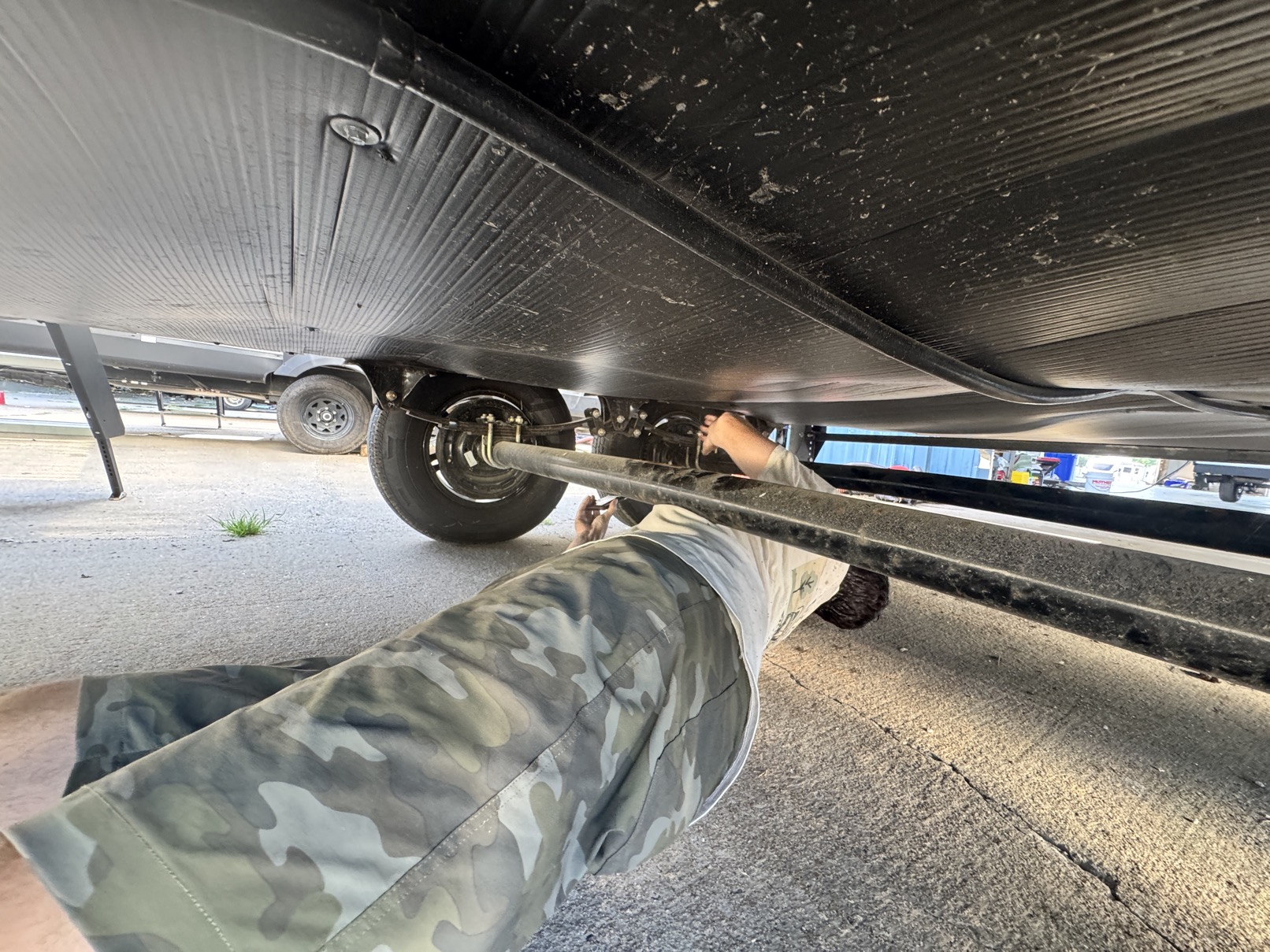
A full NRVIA certified inspection isn't a walk-around with a flashlight. Depending on the RV's size, age, and condition, a thorough inspection typically takes 4 to 8 hours and works through hundreds of individual inspection points across every major system: propane, electrical (both 120VAC and 12VDC), fresh/grey/black water systems, the water heater, air conditioning, refrigeration, and the full exterior (roof, sidewalls, seals, slide-outs, and undercarriage).
What comes out the other end is a detailed written report, often running up to 100 pages, with high-resolution photos documenting exactly what was found and where. You're not left with someone's verbal opinion. You get a paper trail you can act on, negotiate with, or simply file away for your own records.
The problems inspections catch most often
Sealant failure is, hands down, the most common issue found in RV inspections, around roof penetrations, windows, and sidewall seams. It sounds minor. It isn't. A failed seal lets water into the wall and roof structure long before anyone notices a stain or soft spot, and by the time it's visible, the repair is no longer a tube of caulk. It's delamination, rot, and a repair bill that can run into the thousands.
Beyond sealant issues, inspections regularly turn up things a casual walkthrough will never catch: undersized or improperly installed electrical work (especially common in converted toy haulers and older DIY projects), propane systems that fail a leak test, water heaters and furnaces that look fine but don't actually function correctly, and appliances with hidden pest or water damage tucked behind panels most buyers never open.
Why a dealership walkthrough isn't the same thing
A dealer's pre-delivery inspection (PDI) is designed to get you out the door, not to protect your wallet. It's rushed, it's performed by someone who works for the seller, and it's rarely documented in the kind of detail that would hold up if something goes wrong two months later. A certified independent inspector works for you, the buyer, full stop. That's the entire point of hiring one.
It's not just for buyers
Inspections aren't only a pre-purchase tool. An annual inspection on an RV you already own catches the same slow-developing problems (seal failures, electrical wear, water intrusion) while they're still cheap to fix instead of after they've spread. If you're selling, a pre-listing inspection gives you a documented, trustworthy condition report that can speed up the sale and head off buyer negotiations built on guesswork. And if the floor plan or layout is what you're really evaluating, an inspection paired with an honest walkthrough helps you separate "I love how this looks" from "this will actually work for how I camp," because a rig that passes every mechanical check can still be the wrong rig if the layout doesn't fit your life.
The math is simple
A certified inspection costs a small fraction of what a single major repair costs. A failed water heater, a resealed roof, or rewired 12V system can easily run into four figures. Spending a few hundred dollars upfront to know exactly what you're buying, selling, or maintaining isn't an extra expense. It's insurance against the expensive surprises that RVs are famous for.
If you're within NW Arkansas and Surrounding Areas and you're buying, selling, or just due for an annual check, that's exactly what OZ RVS does. Full reports are typically ready within 48 hours of the inspection, and every inspection follows NRVIA's Code of Ethics, meaning the report reflects what's actually there, not what's convenient for anyone involved in the sale.
Ready to get an RV inspected? Book an inspection and we'll take it from there.